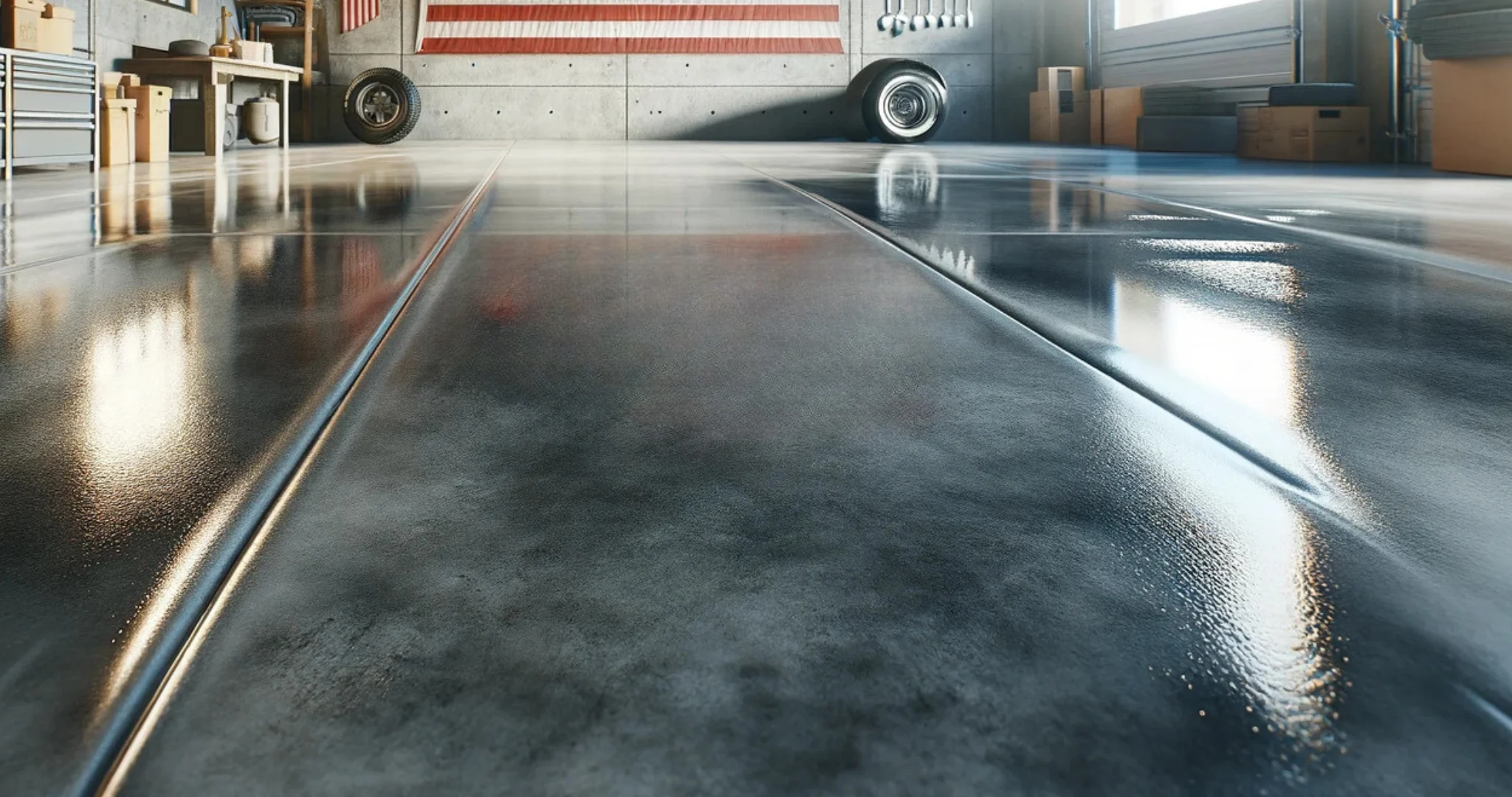
Preparing concrete for sealing involves more than a quick pressure wash. Proper prep requires cleaning the surface of all contaminants, opening the concrete’s pores through etching or mechanical profiling, and confirming the slab is dry enough for the sealer to bond. Epoxy Floors N More handles surface preparation as a defined step in every sealing project across Fort Myers, Naples, and the surrounding Southwest Florida area.
Homeowners searching for sealing tips usually focus on product selection. That’s understandable, but the product rarely determines the outcome. The condition of the surface does. A properly prepared slab holds a sealer for years. An improperly prepared one causes the sealer to peel, cloud, or delaminate within months, regardless of what was applied.
Here are the steps you need to know about before sealing takes place.
Step 1: Start With a Thorough Cleaning
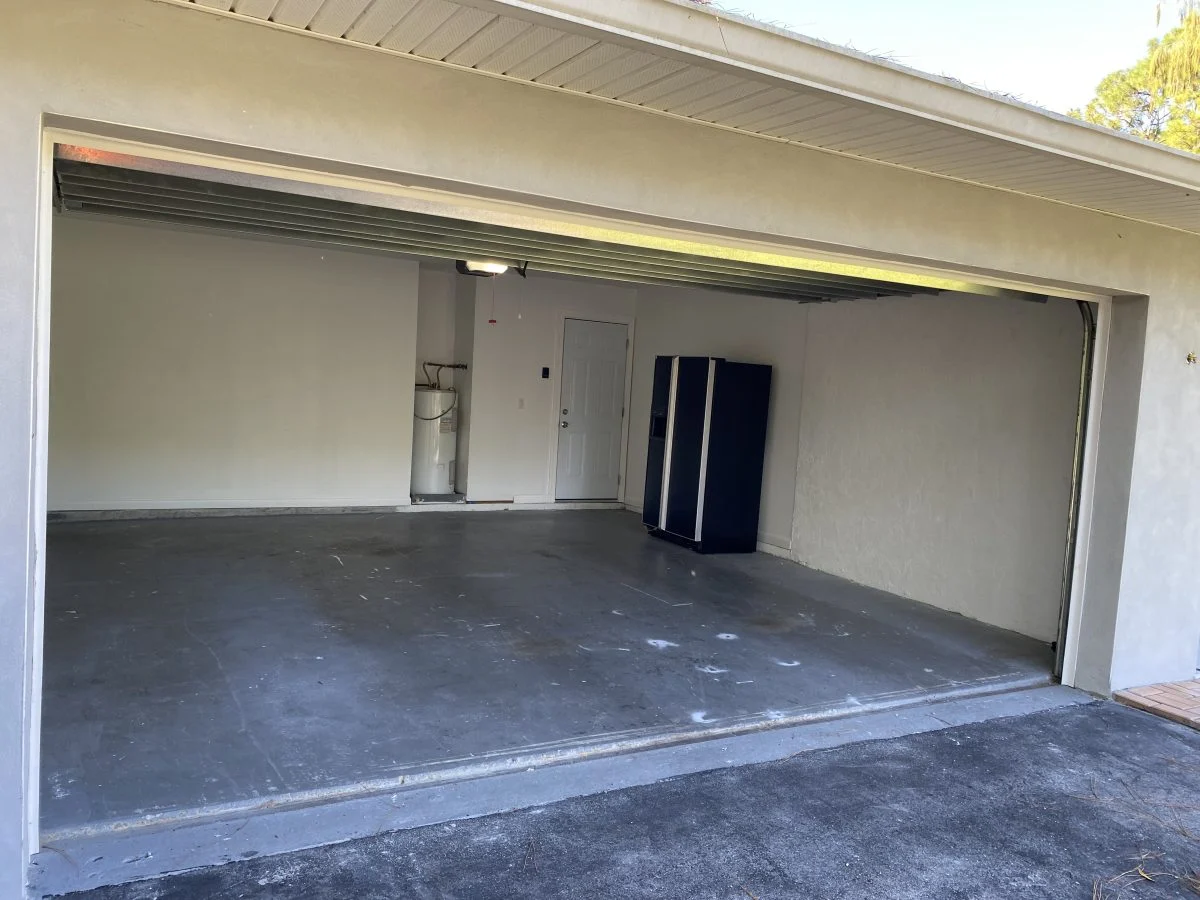
Before any sealer goes down, the concrete must be free of oil, grease, mildew, efflorescence (the white mineral deposits that leach out of concrete in humid climates), and sealer residue. In Southwest Florida, outdoor surfaces often accumulate mildew and efflorescence that doesn’t come off with a standard pressure wash.
The sequence matters: apply a degreaser to oil or grease stains, treat mildew with a diluted bleach solution, address efflorescence with a mild acid wash (muriatic acid diluted in water), and rinse thoroughly between steps. Any residue left behind interferes with adhesion or causes discoloration under the finished sealer.
Step 2: Open the Pores
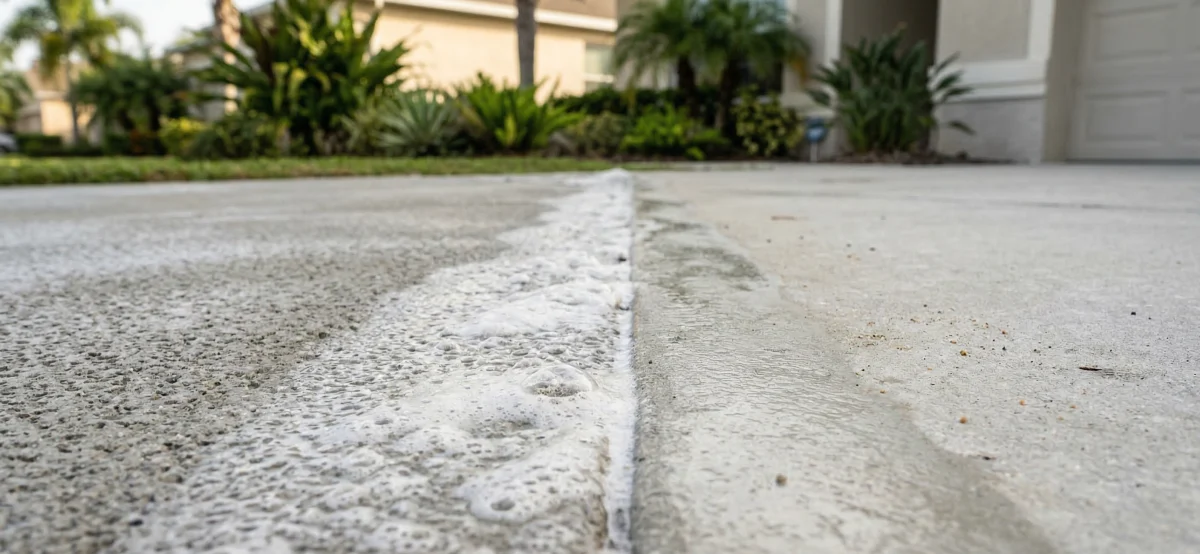
Concrete forms a smooth surface skin called laitance during curing. This layer prevents sealers from penetrating and bonding. Acid etching dissolves laitance and opens the concrete’s pore structure, creating the texture the sealer needs to adhere to it.
For most residential slabs, this can be achieved by applying a diluted muriatic acid solution that’s allowed to react with the slab for usually around five to ten minutes depending on the concentration and slab condition. The acid must then be thoroughly neutralized and rinsed. After etching, the surface should feel like fine sandpaper. If it’s still smooth and slightly shiny, the laitance wasn’t fully removed.
Older outdoor concrete often has a degraded existing sealer that has worn unevenly. Applying new sealer over a partially failed coat causes adhesion failure. Identify and remove any existing coating before starting prep.
Mechanical Profiling as an Alternative
For concrete with heavy staining, prior coating residue, or where using acid is impractical, mechanical grinding with diamond pads produces the same open surface profile with more consistency than etching.
Mechanical profiling is typically the professional standard because it produces a measurable CSP (concrete surface profile) that doesn’t vary based on acid dwell time or the thoroughness of the rinse.
Step 3: Ensure Dryness
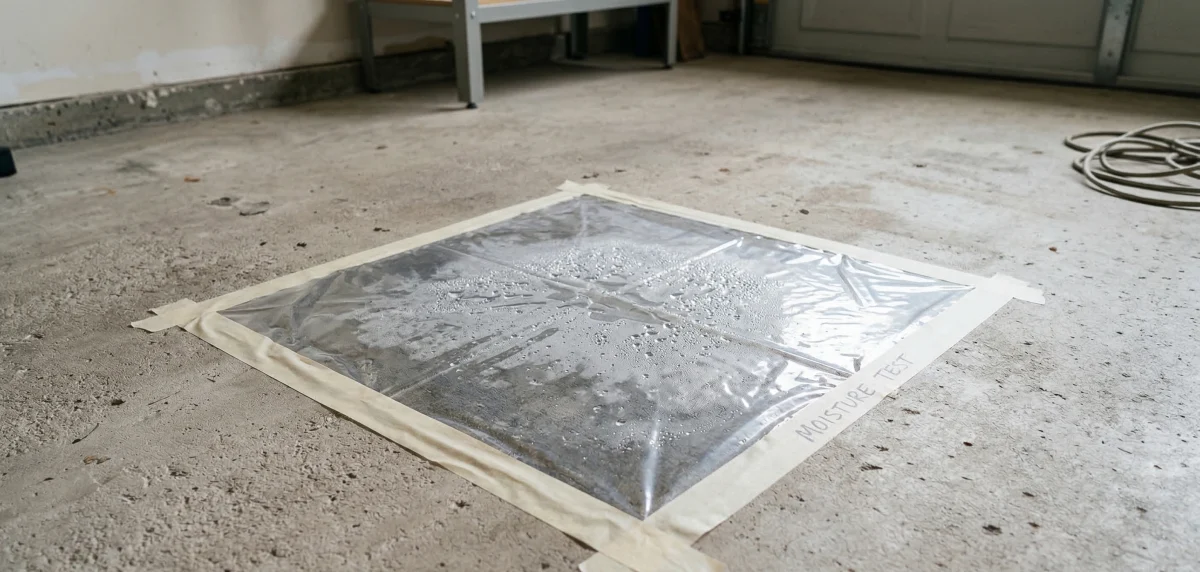
Concrete must be dry before sealing. Moisture vapor moving up through a slab can’t escape once a topical sealer covers the surface. Any trapped moisture leads to blistering, clouding, and film delamination.
Due to Southwest Florida’s high water table and elevated humidity, slabs can have measurable moisture vapor even when they look dry to the eye. A plastic sheet test can confirm the slab’s readiness to receive a sealer. Tape an 18-inch square of plastic to the clean slab, seal the edges, and check for condensation after a minimum of 16 hours. If moisture is present, identify the source before applying any sealer.
Frequently Asked Questions
Do I need to acid etch concrete before sealing?
Acid etching is necessary when the concrete surface has laitance that would prevent the sealer from penetrating. Smooth, dense concrete or any slab with existing sealer residue needs either acid etching or mechanical grinding before a new sealer will adhere correctly. Skipping this step is one of the most common reasons sealed concrete peels or clouds within the first year.
How long should concrete dry before sealing?
Newly poured concrete should cure for at least 28 days before sealing. For existing slabs, the surface should pass a moisture test first. In Southwest Florida’s climate, even older slabs can show elevated moisture vapor from high groundwater or persistent humidity. Epoxy Floors N More tests every slab before applying sealer.
Can I seal concrete myself or do I need a professional?
Cleaning and acid etching are manageable for experienced DIYers, but the risks are in the details. Incorrect acid concentration, insufficient neutralization, and inadequate moisture testing are the most common reasons DIY projects fail. Epoxy Floors N More’s professional sealing services in Fort Myers and Naples use equipment and testing methods that produce consistent prep results.
Prep Right, Seal Once

The sealer gets the credit when a floor looks great at year five. Prep is what makes that possible. Clean completely, open the pores through etching or grinding, confirm the slab is dry, then apply the right product for the conditions.
For professional concrete sealing across Fort Myers, Naples, and the surrounding Southwest Florida area, Surface prep is 70% of the result. Want to see the prep process we use on every sealing job? We pressure-wash, etch, and profile every surface before sealing.
contact Epoxy Floors N More for a free on-site evaluation. We handle every prep step thoroughly and apply the correct sealer for your surface and climate.
Written by
Timothy Gonzalez
Epoxy Floors N More shares practical guidance based on floor coating work across Southwest Florida.