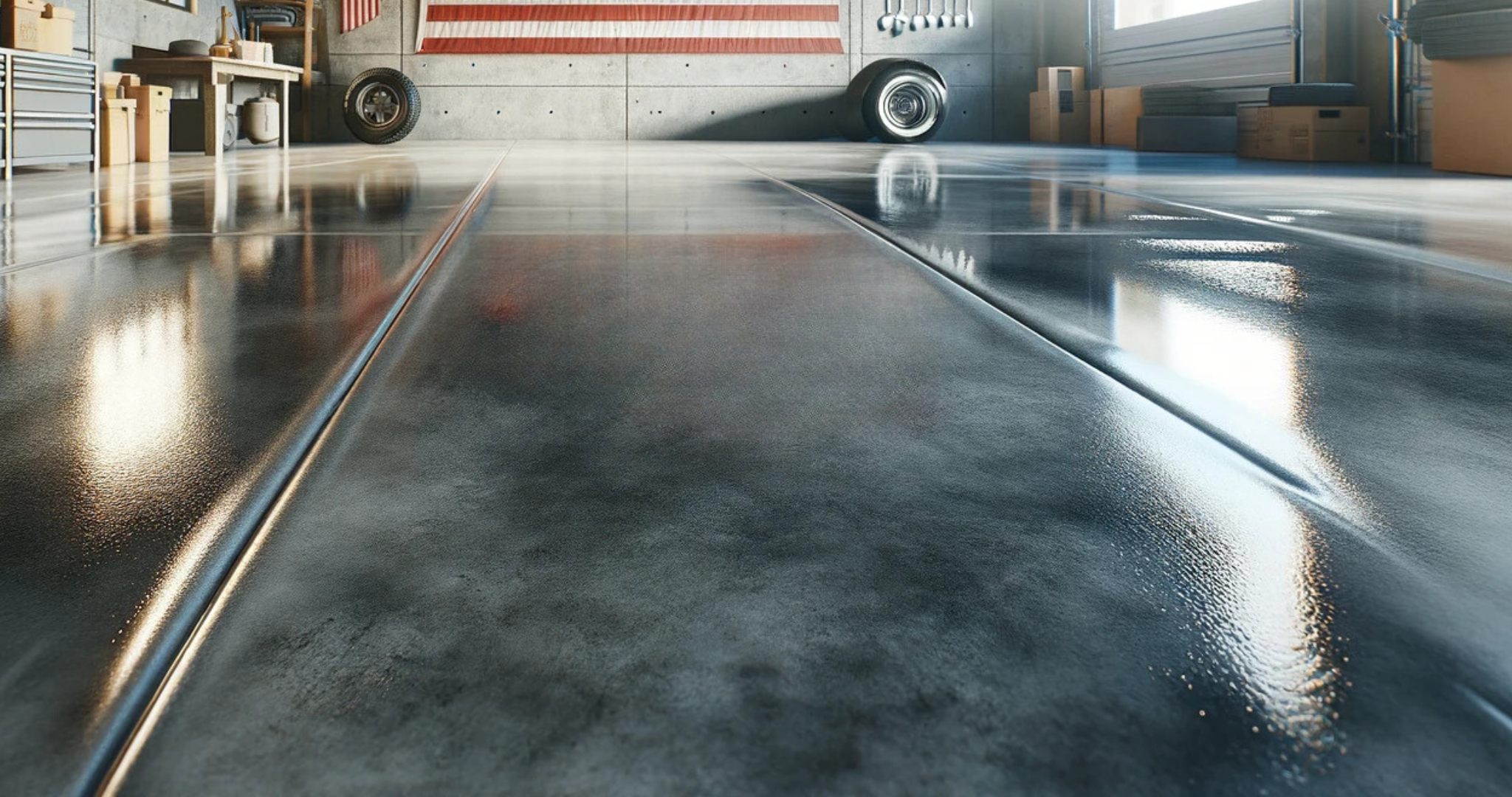
The allure of a high-gloss, resilient epoxy flooring system is undeniable. It promises to turn your drab, dusty concrete into a showroom-quality surface that resists stains, abrasions, and the harsh elements of Southwest Florida. Naturally, many property owners ask: How to do epoxy floor coating myself and achieve that flawless, professional result?
While the process can be broken down into steps, the difference between a long-lasting,
professional-grade floor and a peeling, disappointing DIY job lies entirely in the execution.
This guide walks you through the essential stages and highlights why expertise matters.
Step 1: Surface Preparation

This is the most critical step, and where most first-timers fall short. You cannot simply clean the concrete and roll on the epoxy. The coating must bond chemically and mechanically to the concrete, and this requires a specific profile.
The Professional Method (Diamond Grinding)
A professional installation, like those performed by Epoxy Floors N More, begins with diamond grinding. This process uses specialized, heavy-duty equipment to mechanically abrade the concrete surface, removing all contaminants, old sealers, and the weak top layer of concrete (laitance). This creates the ideal surface profile—a rough texture that allows the epoxy to penetrate and lock in for a permanent bond.
The DIY Pitfall (Acid Etching)
Many DIY kits suggest acid etching. While it may clean the surface, it almost never creates the necessary
profile. It can also leave behind salts that interfere with adhesion, often resulting in peeling and
delamination.
Step 2: Moisture Mitigation
In humid climates like Southwest Florida, moisture vapor transmission (MVT) is a serious threat.
If moisture rises through the slab, the epoxy can bubble or lift.
The Professional Difference: Installers perform a moisture test. If levels are too high, they apply a moisture vapor barrier primer—an essential step skipped in most DIY jobs.
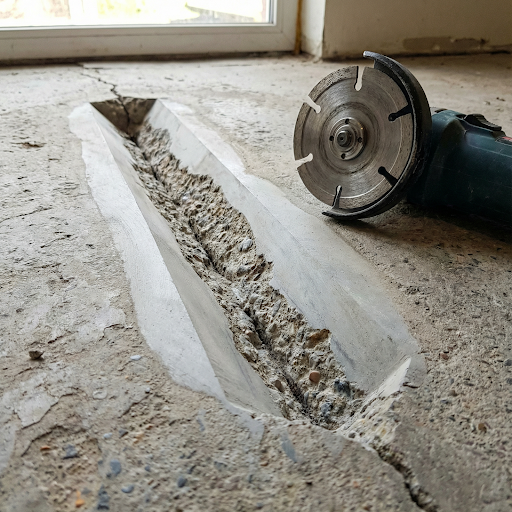
Step 3: Repair and Patching
Cracks, divots, and spalls must be repaired using two-part epoxy fillers. A professional then grinds the patched areas smooth to ensure they blend seamlessly under the final coat.
Step 4: Mixing and Application
Epoxy is a two-part system that begins curing the moment it is mixed. With a pot life of only 20–40 minutes,
precision is critical.
- Mixing: Must be thorough without introducing air bubbles.
- Application: Poured, squeegeed, then back-rolled for an even thickness.
- Flake Broadcast (Full-Flake Systems): Flakes must be applied immediately and evenly
across the wet base coat to achieve full coverage.
Step 5: The Protective Topcoat

Once the base and flakes cure, the final step is the protective topcoat. For the best Residential Epoxy results, Epoxy Floors N More uses Polyaspartic or Polyurea, which offer:
- Superior UV stability (prevents yellowing)
- Better chemical resistance
- Faster cure times
Should You Hire a Professional?
The truth is, while the steps are simple to list, the expertise required to execute them flawlessly is immense. From owning the right diamond grinding equipment to understanding the subtle environmental factors that affect cure time, professional installation is the only way to guarantee a long-lasting, truly professional result.
A DIY job may save you money today, but the cost of correcting a failed coating—which involves grinding off the old, poorly-adhered epoxy—will far exceed the initial savings.
Transform Your Floors with Epoxy Floors N More – Southwest Florida’s #1 Epoxy Company
Our certified team uses the right equipment, the best materials, and years of expertise to ensure your floor is done right the first time. Don’t risk your investment on a weekend project.
Ready to skip the frustration and get a flawless finish?
Contact us today for a free estimate and let Southwest Florida’s experts handle your flooring project.