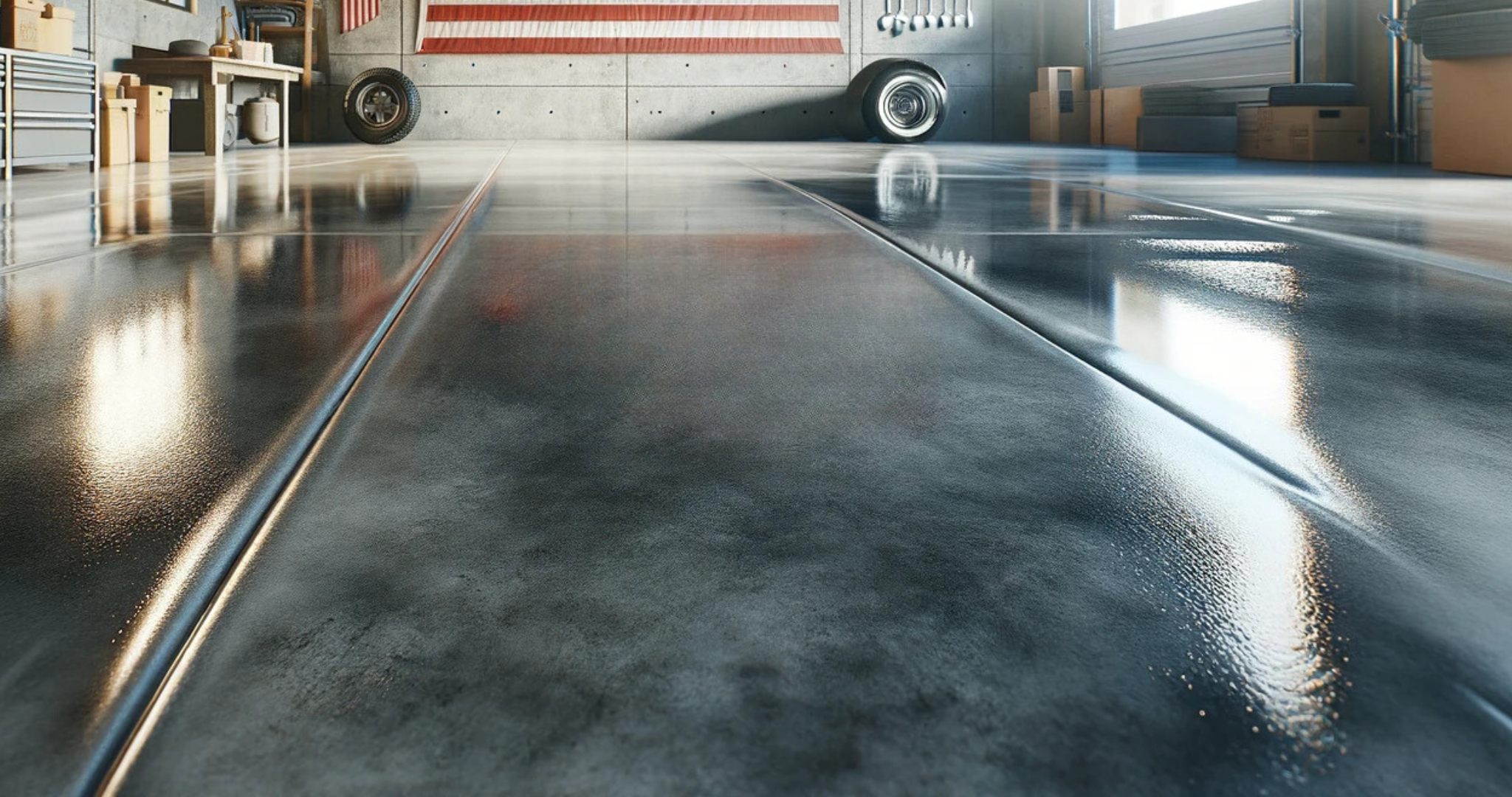
How long you need to wait before walking on newly sealed concrete or parking vehicles on it depends on the type of sealer that was used, the surface temperature, and the humidity during curing. Most sealers can accommodate light foot traffic in two to four hours under normal conditions, with vehicle traffic allowable in 24 to 72 hours.
Fort Myers gets more sunny days per year than most of the country, a detail that matters here. On a July afternoon, a south-facing driveway or pool deck can exceed 90 degrees at the surface. At that heat level, certain sealers flash off before penetrating the concrete correctly, leaving a milky or uneven finish. Timing the application correctly determines whether the sealer bonds as intended.
Epoxy Floors N More seals driveways, pool decks, patios, and garage floors across Fort Myers and Southwest Florida. We provide specific timelines based on the product and conditions for each job. Here’s what you need to know about the wait time when concrete has been freshly sealed.
How Temperature Affects Sealer Cure

Sealers cure either through solvent evaporation (solvent-based products) or water evaporation plus chemical cross-linking (water-based products). Temperature drives both processes, but not in a simple linear way.
In temperatures below 50 degrees, some sealers won’t form a proper film at all. This is rarely a concern in Southwest Florida. The local challenge is the opposite. In temperatures above 90 degrees, the surface dries fast but deeper layers can cure unevenly if the product flashes before it fully penetrates. The practical rule for Fort Myers homeowners is to apply sealer in the morning, when surface temps are below 80 degrees and before direct sun hits the slab.
Walk Time by Sealer Type

Cure times vary significantly depending on the sealer you choose, so knowing what’s on your concrete determines when it’s actually safe to walk or drive on it.
Water-Based Acrylic Sealers
Water-based acrylic sealers allow light foot traffic in two to three hours. Vehicle traffic generally needs 24 hours. Fort Myers’ afternoon heat can shorten the surface’s dry time but doesn’t always reduce the vehicle clearance window.
Solvent-Based Acrylic Sealers
The surfaces of floors with solvent-based acrylic sealers generally become dry in one to two hours; however, they need to keep curing before they can accommodate vehicle traffic. Allow 36 to 48 hours in summer. Solvent-based films can soften under vehicle weight if they are driven on before they’ve had a chance to cure fully.
Penetrating Sealers
Penetrating sealers (silane or siloxane types) soak into the concrete rather than forming a surface film. Foot traffic is safe in four to six hours, and these products don’t carry the same film-cure risk as topical sealers. They’re a common choice for concrete sealing projects where UV resistance and a natural look are the goal.
Epoxy and Polyurethane Sealers
Epoxy and polyurethane sealers are thicker and film-forming. Foot traffic requires 24 hours; vehicle traffic needs 48 to 72 hours. Walking on these too early leaves imprints that require reapplication to correct.
Humidity Extends Water-Based Cure Windows

Fort Myers carries consistently high humidity through summer, which slows evaporation in water-based sealers. This typically adds an hour or two to the cure window compared to drier climates. It’s rarely a problem for foot traffic, but it matters when calculating vehicle clearance time.
For porch and walkway coating projects, Epoxy Floors N More accounts for temperature and humidity on installation day and sets accurate timelines for each product and surface. The goal is to protect the fresh sealer during the first 24 to 48 hours after application.
Frequently Asked Questions
Can you seal concrete in Florida’s summer heat?
Yes, but timing the application correctly is crucial. Apply sealer in the early morning when slab temperatures are below 80 degrees, before direct sun hits the surface. Applying a sealer to hot concrete in full afternoon sun causes premature flashing, resulting in poor penetration and an uneven finish. Epoxy Floors N More schedules sealing projects around surface temperature conditions to ensure proper bonding.
How long before you can drive on sealed concrete?
Film-forming sealers require 24 to 48 hours before vehicle traffic. Solvent-based acrylics and epoxy sealers may need up to 72 hours in warm, humid conditions before supporting vehicle weight without surface damage. Your installer should provide a specific clearance window based on the product applied and conditions on the day.
Does concrete sealer need to be reapplied in Florida?
Topical sealers on driveways, pool decks, and patios in Southwest Florida generally need reapplication within a few years due to UV degradation and traffic wear. Penetrating sealers last considerably longer because the product is protected inside the concrete. Manufacturers often rate them at five to ten years depending on conditions. Concrete sealing services should match the product type to how the surface is used and the homeowner’s realistic maintenance schedule.
Plan the Timing, Protect the Finish
Morning application, correct product selection, and respecting the full cure window are what separate a sealer that still looks clean after a few years from one that starts showing wear in the first season.
Epoxy Floors N More handles sealing for driveways, patios, pool decks, and walkways across Fort Myers, Bonita Springs, and the surrounding Southwest Florida area.
Get a free quote, and we’ll give you an accurate timeline before we start.